Don't Lose NSFAS Funding: South African Student Accommodation Steps
Practical South African student advice: verify NSFAS accreditation, compare costs and transport, and align housing with your course and admission timeline...
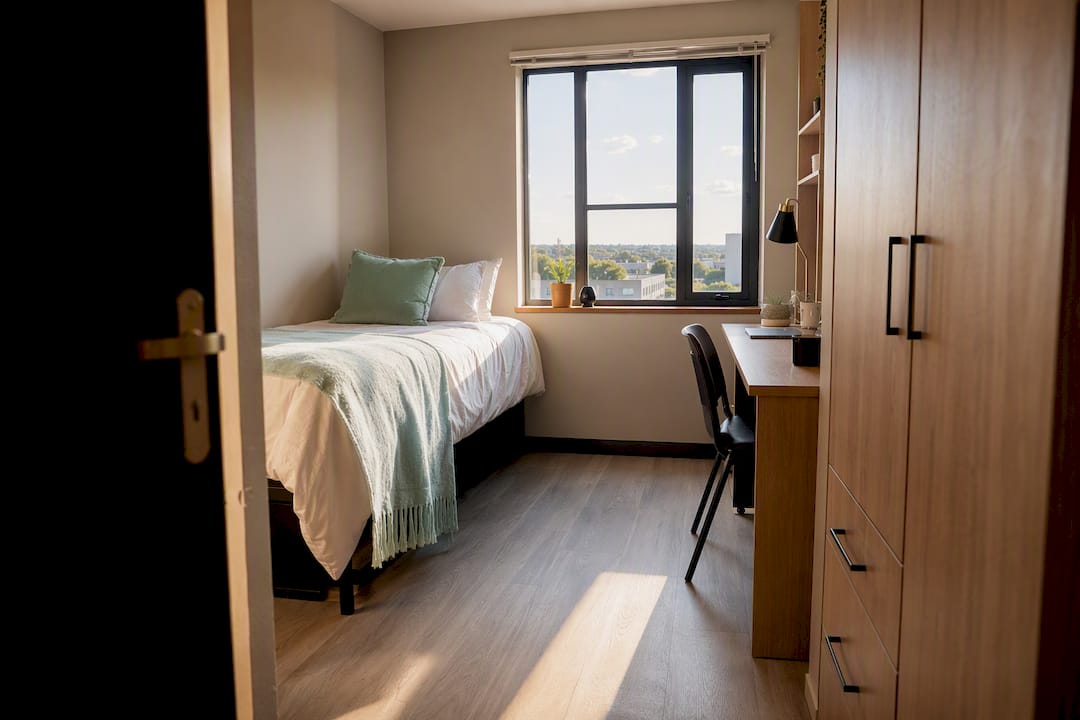
For most South African students, the choice comes down to three options: university residences, private student accommodation (PBSA), or a private rental. NSFAS-funded students have one non-negotiable first step, which is confirming their chosen property is accredited before signing anything. Everyone else should compare cost, safety, and distance from campus, since prices and risk swing sharply between cities like Johannesburg, Cape Town, and Gqeberha.
TL;DR:
- University residences are the most affordable and often include meals and security, with first-year students and NSFAS beneficiaries given priority.
- Private student accommodation offers amenities like gyms and security, targeting second and third-year students seeking independence, but at a higher cost.
- Costs vary significantly by city and property type, with a recommended budget buffer of 20-30% for bills and unexpected expenses, and sharing to reduce utility costs.
- Applying early through university and verified portals is crucial, especially for residences and popular PBSA, to avoid staying in less secure, more expensive private rentals.
- NSFAS funding requires living in accredited accommodation, confirmed via official portals and inspections, with unlisted properties unlikely to receive funding and payments.
Table of Contents
- Types of student accommodation and who they suit
- How to search, compare and apply for student housing
- What does student accommodation actually cost?
- How do you spot a housing scam before you pay?
- NSFAS-accredited accommodation: how the rule actually works
- When to apply and what to have ready before move-in
- What rights and responsibilities do student tenants have?
- Does location and transport matter more than rent?
- How do you handle roommate conflicts before they start?
- What do you do if a provider won’t fix a problem?
- Author perspective: accommodation timing starts with your course choice
- Plan your admission and housing timeline together
- Official portals and guides to verify accommodation and funding
- Sources
- FAQ
Types of student accommodation and who they suit
University residences, private student accommodation (PBSA), and private rentals each solve a different problem. Picking the wrong one costs you money or peace of mind in your first semester.
University-managed residences sit on or near campus and are run by the institution itself. They’re usually the cheapest option and often bundle meals, security, and Wi-Fi into one fee, which is why they fill up fast for first-years. PBSA is privately built and operated but designed specifically for students, often with gyms, study pods, and 24-hour security. Private rentals, whether a shared house or a backroom flat, put you in charge of your own lease, utilities, and often your own furniture.
- University residences: lowest cost, meals and security often included, limited spots, priority usually goes to first-years and NSFAS beneficiaries.
- PBSA: higher rent but bills, Wi-Fi, and security typically bundled in, shorter waitlists than residences, popular with second and third-years who want independence without the hassle of managing a house.
- Private rentals: most flexible on location and roommates, but you negotiate your own lease terms and cost shapes vary by city, and you’re responsible for utilities and maintenance requests yourself.
If you’re funded and starting first year, a residence or accredited PBSA unit gives you the least admin. If you’re independent and know the area, a private rental can stretch your budget further, provided you vet it properly.
How to search, compare and apply for student housing
Finding the right place means checking the right channels in the right order, not just scrolling the first listing site you find.
-
Start with your university’s accommodation office. Every institution publishes its own residence application process and deadlines, so check your university’s programme and accommodation pages as soon as you’ve accepted an offer.
-
If you’re NSFAS-funded, go to the NSFAS accommodation portal next. Only accredited properties listed here qualify for your housing allowance.
-
Browse verified PBSA listings and cross-check them against the portal. Never rely on a provider’s own claim of accreditation.
-
Gather your documents early: certified ID copy, proof of registration or your offer letter, proof of NSFAS funding (if applicable), and guarantor details if a private landlord requires one.
-
Compare shortlisted options on four criteria: distance to campus or a reliable transport route, security features, what’s included in the rent, and whether the lease dates match your academic year.
Applying early beats applying cheap. Residences and popular PBSA blocks in university towns fill months before the academic year starts, and late applicants get stuck with the leftover, often pricier, private market.
What does student accommodation actually cost?
Costs shift by city and property type more than most guides admit, so treat any single number with suspicion. As a general shape, university residences tend to sit at the affordable end since meals and security are bundled in, PBSA sits in the middle to upper range because of the amenities on offer, and private rentals swing the widest, from a bargain backroom to a pricier flat near a business district.
Statistic to build your plan around: a workable rule from student budgeting research is to plan for rent plus a 20–30% buffer on top for bills, transport, and unplanned costs, rather than budgeting rent alone and hoping the rest works itself out.
Your monthly budget checklist should include:
- Rent or residence fees
- Electricity and water (if not bundled)
- Internet or mobile data
- Groceries and meals
- Transport to campus
- Deposit (often one to two months’ rent, paid upfront)
- A small emergency fund for repairs or short-term shortfalls
To cut costs, share a private rental with two or three roommates to split utilities, ask about on-campus part-time work through your university’s student services office, and negotiate payment dates with private landlords so rent lines up with when your funding or allowance actually lands.
How do you spot a housing scam before you pay?
Verify before you transfer a single rand. A listing that looks perfect and pressures you to pay a deposit within 24 hours is the clearest warning sign in student housing.
Start by cross-checking the property against your university’s own accommodation list and, for NSFAS-funded students, the official accreditation portal. Never take a landlord’s word for accreditation status. Insist on viewing the room in person or via a live video call, read the lease in full before signing, and save the landlord’s contact details along with an emergency contact for the property itself.
- Confirm the property appears on your university’s approved list or the NSFAS portal.
- Ask for a signed lease, not a verbal agreement or WhatsApp message.
- Never pay a full year’s rent upfront to secure a booking.
- Report suspected fraud to your university’s accommodation office and, for NSFAS cases, directly through the NSFAS portal.
Pro Tip: Ask the landlord for their NSFAS listing ID or a screenshot of their portal listing, and check the date of their last inspection. A legitimate provider will have this on hand instantly.
NSFAS-accredited accommodation: how the rule actually works
If you receive NSFAS funding, you must live in accredited accommodation to have your housing allowance paid out. There’s no partial credit here: NSFAS confirms that beneficiaries in unaccredited housing without prior authorization simply don’t get paid, and the provider doesn’t get paid either.
Accreditation isn’t a rubber stamp. Providers register on the NSFAS-NDT accommodation portal, and properties then go through an inspection process before approval.
Properties only reach the approved list after an expert panel inspects them for safety, utilities, room conditions, and management practices. That inspection step is what separates a portal listing from a landlord simply claiming NSFAS approval.
If your dream property isn’t listed:
- Ask the landlord to start the registration and inspection process before you commit.
- Check the NSFAS accommodation listings for verified addresses in your area.
- Have a backup option lined up, ideally an already-accredited property, in case registration takes longer than your move-in date allows.
When to apply and what to have ready before move-in
Residence and PBSA applications open as soon as universities send out offers, and the best rooms disappear within weeks. If you’ve just accepted your offer, apply to your university’s residence immediately rather than waiting to confirm your course.
- Apply the moment you accept your offer for university residences, since first-year priority spots go fast.
- Apply to PBSA in parallel if residence spots are limited or full, especially in high-demand cities.
- If you missed the window, look at short-term options: extended-stay guesthouses, month-to-month private rooms, or staying with family nearby while you finalize longer-term housing.
- Before move-in, confirm you have: a signed lease, certified ID copy, proof of registration, your first payment or deposit receipt, and at least one emergency contact saved for the property.
What rights and responsibilities do student tenants have?
Signing a lease as a student comes with the same legal weight as any residential tenancy in South Africa, even if the landlord treats it casually. You have a right to a written lease agreement, a habitable space with working utilities, and reasonable notice before a landlord enters the property or ends your tenancy outside the agreed terms.
Your responsibilities run just as deep. You’re expected to pay rent on time, keep the property in reasonable condition, and follow the terms of your lease regarding guests, noise, and subletting. Damage beyond normal wear and tear usually comes out of your deposit, so document the property’s condition with photos on move-in day, before you unpack a single box.
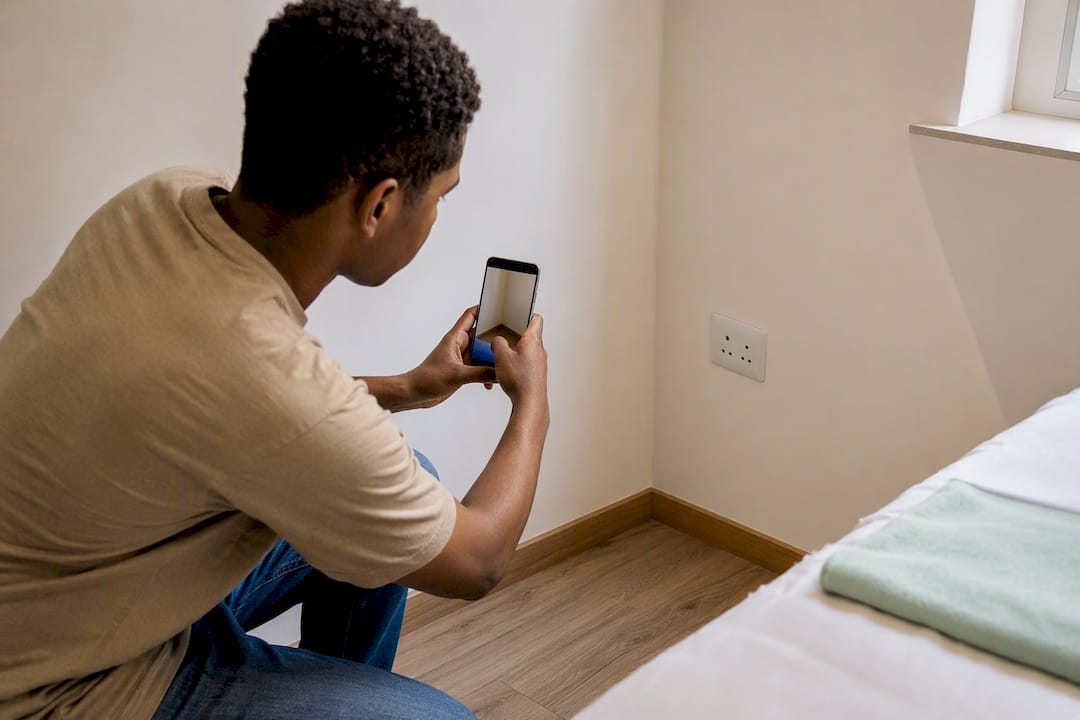
Deposits deserve particular attention. A landlord who refuses to provide a receipt for your deposit, or who won’t specify how and when it will be returned, is skipping a step that protects both parties. Ask for this in writing as part of your lease, not as a verbal promise.
If you’re renting privately rather than through a university residence or PBSA provider, read the lease’s cancellation clause closely. Some private landlords lock tenants into 12-month leases with steep penalties for early exit, which matters if your circumstances change mid-year, whether that’s a transfer, a funding shift, or simply a bad living situation. Understanding this clause before you sign saves you from a costly surprise later.
Does location and transport matter more than rent?
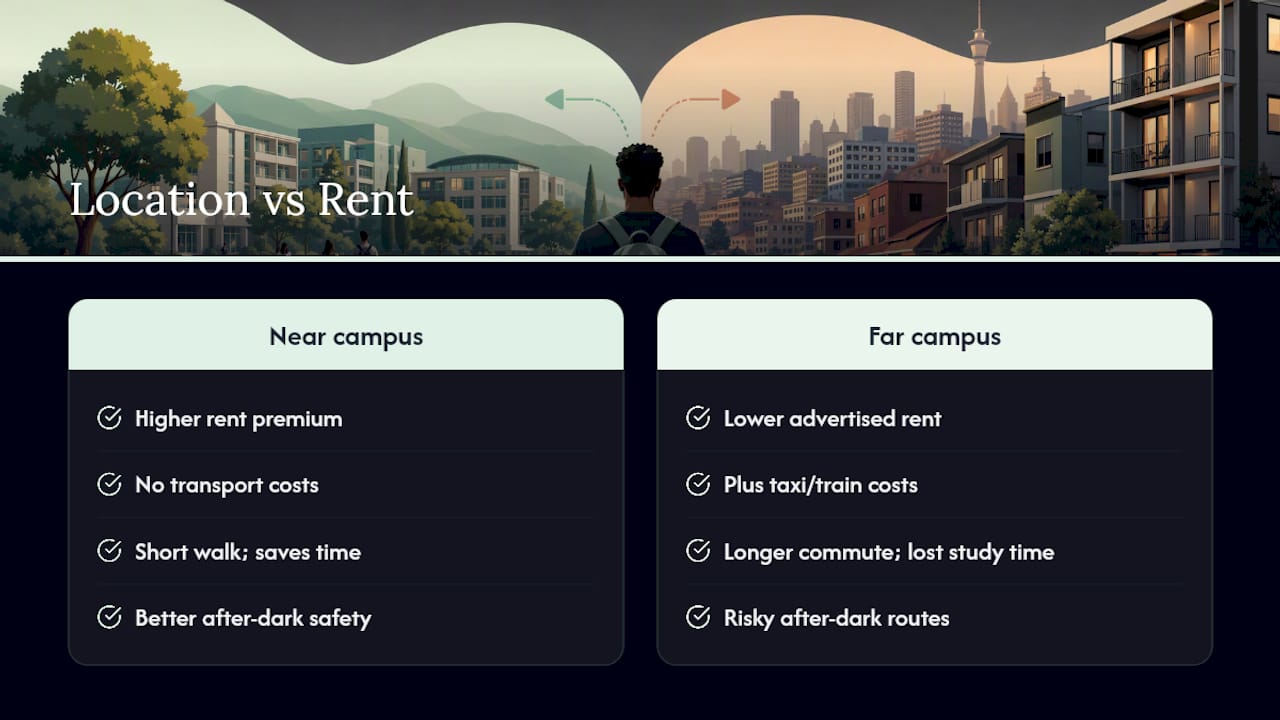
Often, yes. A cheaper room 45 minutes from campus can cost you more in the long run once you add taxi fares, lost study time, and the safety risk of walking unfamiliar routes after dark.
Proximity to campus shapes your daily routine more than almost any other accommodation factor. Students within walking distance save on transport costs entirely and gain flexibility for late labs, group projects, or evening study sessions in the library. That convenience is exactly why on-campus residences and nearby PBSA blocks command a premium, and why they’re usually the first to fill up.
If you’re considering a private rental further from campus, factor in the realistic cost and time of your commute, not just the advertised rent. Reliable minibus taxi routes, university shuttle services, or proximity to a train line can make a further-out property workable, but an unreliable or unsafe route can turn a bargain into a daily headache. Ask current students or your university’s accommodation office which areas have dependable transport links before committing to anything outside the immediate campus radius.
Safety compounds this equation. Areas with high foot traffic during daylight but poor lighting or limited public transport after dark carry real risk for students walking home from evening classes or part-time jobs. Weigh a longer but well-lit, well-serviced route over a shorter one through an isolated area, even if it costs a little more in transport fees.
How do you handle roommate conflicts before they start?
The best time to resolve a roommate conflict is before you move in together, not after the first argument over dishes. A written roommate agreement, even an informal one, sets expectations that a casual conversation tends to forget within weeks.
Cover the basics in writing: how bills get split and by when, whose turn it is to clean common areas, guest policies, and quiet hours during exam periods. Put a number on shared costs rather than a vague “we’ll split it evenly,” since vague agreements are where most disputes start.
When conflict does happen, address it directly and early rather than letting resentment build silently. A short, calm conversation about a specific issue, like unpaid utility contributions or unannounced guests, resolves far more than an accusatory message sent in frustration. If you and your roommate can’t resolve something between yourselves, most PBSA providers and residence managers have a mediation process built into their tenancy agreements, so use it rather than letting the issue escalate into a lease violation.
For private rentals without that structure, put major agreements in a shared document or group chat where everyone can reference them later. It won’t stop every disagreement, but it removes the “I never agreed to that” argument that derails so many roommate conflicts.
What do you do if a provider won’t fix a problem?
Start with a written complaint, not a phone call. Email your accommodation provider or landlord describing the issue clearly, including dates and photos where relevant, and ask for a specific response timeframe.
- Document everything. Photos of damage, screenshots of messages, and copies of your lease all matter if the dispute escalates.
- Escalate internally first. For residences and PBSA, contact the property manager or your university’s accommodation office directly, since most have a formal complaints process built in.
- For NSFAS-related disputes, raise the issue through the NSFAS student portal, since accreditation and payment issues fall under their oversight, not the landlord’s.
- If the provider is unresponsive, request mediation through your university’s student affairs office or, for private rentals, consult your provincial Rental Housing Tribunal, which handles disputes between tenants and landlords at no cost.
- Keep a paper trail throughout. Every complaint, response, or lack of one strengthens your case if you need to involve a tribunal or cancel a lease early.
Most disputes resolve faster than students expect once there’s a written record and a clear escalation path, so don’t let a maintenance issue drag on for months out of hesitation to formalize a complaint.
Author perspective: accommodation timing starts with your course choice
Accommodation decisions rarely happen in isolation. Where you’ll live depends on which university accepts you and when, which is why pairing an APS calculator with your housing search early saves weeks of scrambling later.
— Nkosi
Plan your admission and housing timeline together
Guessing your APS score after applications close is how students end up scrambling for housing in January with no residence spots left. Free tools let you check which programmes you qualify for before you commit to a city, a campus, or a lease.
Run your marks through the APS calculator to see which programmes and universities are realistically within reach, then use the programme search to compare options across institutions without submitting a single application fee. Once you know your likely campus, cross-reference admission requirements against application deadlines so your accommodation search starts the same week you accept an offer, not weeks after residence spots have already gone. Your marks stay on your device throughout, and there’s no cost to use any of it. Start with the calculator today and work backward from there.
Official portals and guides to verify accommodation and funding
Before signing anything, cross-check your choice against these sources:
- NSFAS student accommodation portal for official accreditation rules
- NSFAS-NDT accommodation portal to view approved properties and apply digitally
- Asksmarty’s NSFAS application guide for funding timelines
- Your specific university’s accommodation office page, always your first call for campus-specific deadlines
Sources
- Registering your accommodation properties with NSFAS
- NSFAS-NDT | Student Accommodation Portal
- Student accommodation guide for South Africa (overview)
FAQ
How much does NSFAS pay for accommodation yearly?
NSFAS accommodation allowances vary by institution and accreditation category rather than a single fixed national amount, so check your specific allocation through the NSFAS portal once your accredited property is confirmed.
What are the types of student accommodation?
South African student housing generally splits into three categories: university-managed residences, private student accommodation (PBSA), and private rentals, each with different costs, inclusions, and application processes.
What are the three types of accommodation?
The three main types are university residences, PBSA, and private rentals or shared houses, ranging from the most affordable and structured to the most independent and flexible.
What are the requirements for student accommodation?
You’ll typically need a certified ID copy, proof of university registration or your offer letter, and proof of funding if applicable; NSFAS-funded students must additionally confirm the property is accredited on the official NSFAS-NDT portal before signing.
How do I check if a private rental is safe before signing a lease?
Verify the property in person or via video call, insist on a written lease, and cross-check the landlord’s details against your university’s accommodation office before transferring any deposit.
Recommended
Published 2026-09-15 · AskSmarty is an independent guide. Confirm anything time-sensitive on the official source.